Biometric Access Control Systems Uganda Guide
Complete guide to biometric access control systems in Uganda. Fingerprint, facial recognition, and palm vein technology for secure business access.
What to specify:
- Biometric systems eliminate credential sharing — a common security vulnerability in Ugandan businesses using card-based access.
- FAR below 0.001% and FRR below 1% are achievable with modern Hikvision and Dahua biometric hardware deployed in Uganda.
- Integration with payroll and HR systems delivers operational efficiency beyond simple access control, with ROI within 2-4 years.
Ugandan businesses are rapidly adopting biometric access control to replace traditional key and card systems. The technology offers both security and operational benefits that address Uganda's unique challenges — from eliminating credential sharing to providing accurate audit trails for regulatory compliance.
This comprehensive guide explores biometric access control implementation in Uganda, from technology fundamentals to deployment strategies.
Key Benefits of Biometric Access Control
Elimination of Shared Credentials
Each employee has unique biometric data, preventing unauthorized access through shared cards or codes. In Uganda's business environment where credential sharing was common with traditional systems, biometric verification eliminates this security vulnerability entirely. Biometric credentials cannot be lost, stolen, or shared — eliminating the security vulnerabilities of traditional keys and cards.
Audit Trail Capabilities
Every entry attempt is logged with timestamp and user identity, creating accountability that supports both security operations and regulatory compliance. For organizations subject to Uganda's Data Protection and Privacy Act (2019), comprehensive audit trails provide essential documentation.
Integration Potential
Modern biometric systems integrate with payroll software, time and attendance tracking, and other business systems. Clock-in and clock-out data flows directly to payroll calculations, eliminating manual timesheet processing and preventing time theft. This integration creates operational efficiencies beyond simple access control.
Reduced Administrative Overhead
Eliminating card management, replacement, and tracking reduces administrative burden on security and HR teams. For organizations with limited administrative resources, this reduction frees staff for more strategic activities.
Enhanced Security Posture
Biometric verification provides higher assurance that only authorized individuals access controlled areas. This enhanced security protects against both external threats and internal vulnerabilities.
Types of Biometric Systems
Fingerprint Recognition
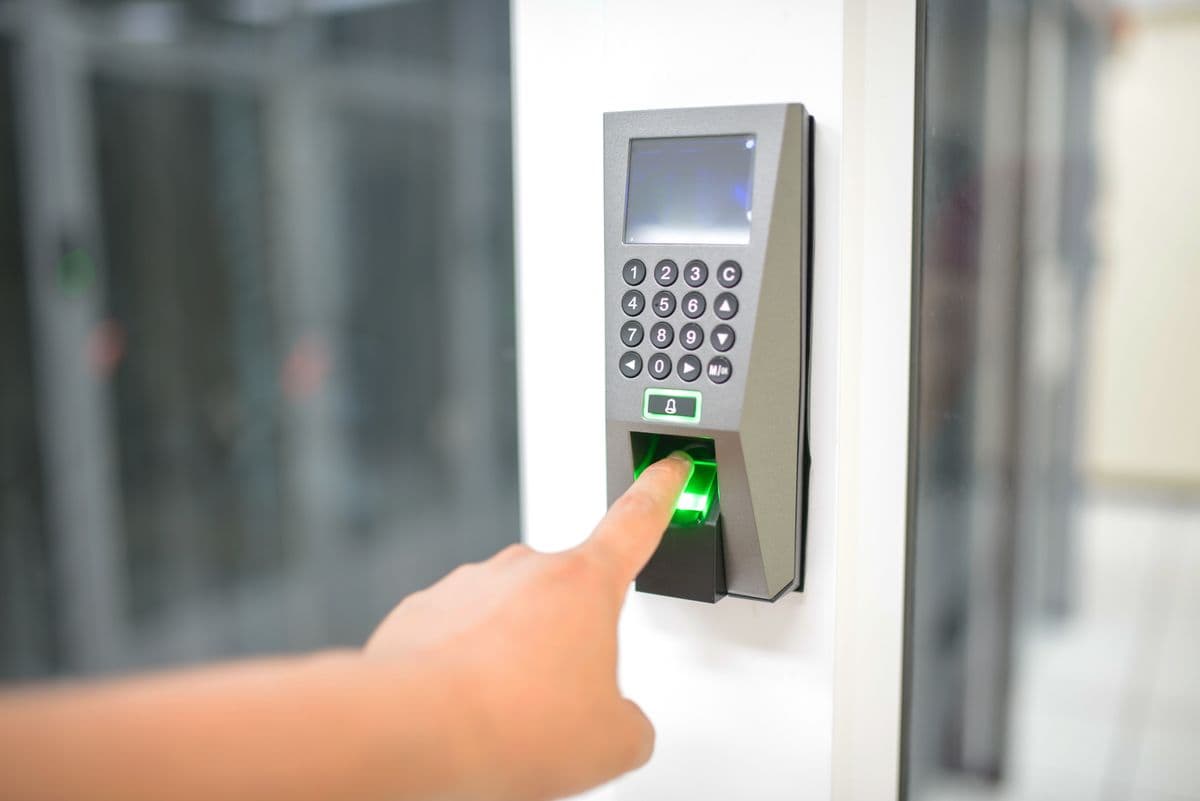
Fingerprint recognition is the most widely used biometric technology worldwide. The scanner reads the unique ridge patterns on a user's fingertips to verify identity.
Hikvision DS-K1T502DBFW-C and Dahua ASI32 fingerprint readers offer proven reliability at competitive prices:
- FAR: <0.001%
- FRR: <1%
- Authentication speed: 1-2 seconds
- Capacity: 3,000+ fingerprints per reader Best suited for small to medium businesses with controlled indoor environments. Technology maturity and widespread understanding make fingerprint particularly suitable for first-time biometric implementations.
Facial Recognition
Facial recognition uses artificial intelligence to identify individuals without physical contact:
- Dahua ASI32: 3D structured light, anti-spoofing, <0.5 second verification
- Hikvision DS-K1T607MFW: 7-inch touch screen, 2MP camera, multi-distance recognition Ideal for high-traffic areas, reception zones, and hygiene-conscious environments. Contactless authentication appeals to hygiene-conscious organizations. Advanced 3D facial recognition systems provide high accuracy regardless of lighting conditions, suitable for Uganda's diverse indoor and outdoor environments.
Iris Scanning
Iris scanning is the most accurate biometric technology available:
- FAR: <0.0001%
- FRR: <0.1%
- Best for: High-security areas, government buildings
Palm Vein Recognition
Palm vein recognition uses infrared cameras to read unique vein patterns beneath the skin:
- Contactless and highly accurate
- Works in complete darkness
- Best for: Healthcare facilities, clean rooms, high-security environments
Card-Based Biometrics
Card-based biometrics combine traditional proximity card technology with biometric verification, providing multi-factor authentication. This approach accommodates organizations transitioning from card-based systems while enhancing security.
Multi-Modal Systems
Multi-modal systems combining multiple biometric technologies provide the highest security levels while offering fallback options when one modality fails. For organizations with the most demanding security requirements, multi-modal systems provide comprehensive protection.
Deployment Options for Ugandan Organizations
Standalone Systems

Ideal for small offices with a single entry point. Basic Hikvision DS-K1T502DBFW-C fingerprint readers provide cost-effective security for small businesses. These systems operate independently without network connectivity.
Networked Enterprise Systems
Multi-door systems with centralized management for larger facilities. Hikvision DS-K2602T networked controllers support facial recognition, fingerprint, and card-based authentication. Centralized management simplifies administration while providing comprehensive security visibility.
Integrated Security Platforms
Comprehensive systems that combine biometric access control with video surveillance, intrusion detection, and building management. For organizations requiring comprehensive security solutions, integrated platforms provide unified management.
Cloud-Based Solutions
Remote management capabilities that enable multi-site security management from centralized platforms. For organizations with multiple locations across Kampala, Entebbe, and Jinja, cloud-based solutions provide consistent security management.
Return on Investment
Biometric systems provide returns through:
- Eliminated credential fraud
- Reduced administrative overhead
- Enhanced operational efficiency
- Typical ROI payback period: 2-4 years
Total Cost of Ownership
Biometric systems typically provide 7-10 years of useful life, with technology upgrades accommodated through device replacement rather than infrastructure overhaul.
Implementation in Uganda
Step 1: Assessment
- Identify all access points requiring biometric control
- Determine the number of users to be enrolled
- Assess environmental conditions at each access point
- Establish a budget covering hardware, installation, and maintenance
Step 2: Technology Selection
- Fingerprint readers for most office environments
- Facial recognition for high-traffic areas
- Palm vein for hygiene-sensitive environments
- Iris scanning for maximum security areas
Step 3: System Design
Plan reader locations for optimal performance and user convenience. Design controller architecture for reliable communication. Plan network infrastructure for data transmission.
Step 4: Installation and Configuration
Install readers and controllers. Configure software settings, access levels, and schedules. Enroll all users. Test every access point to verify proper operation.
Step 5: Training and Support
Train administrators on system management, enrollment, and troubleshooting. Create user guides. Establish support procedures. Schedule regular maintenance.
Adherence to International Standards
Professional biometric access control implementation adheres to internationally recognized standards:
- ISO/IEC 19795: Performance testing and reporting standards for biometric systems
- ISO/IEC 24745: Biometric template protection ensuring stored data is securely managed
- NIST Special Publication 500-290: Guidelines for biometric data interchange formats
Local regulatory compliance, including Uganda's Data Protection and Privacy Act (2019), must be considered alongside international standards.
Common Implementation Mistakes and Avoidance
Underestimating Environmental Challenges
Installing readers in locations exposed to direct sunlight, heavy dust, or high humidity without adequate protection leads to performance issues. Careful site assessment and appropriate environmental protection prevents these problems.
Neglecting User Training
Users who don't understand proper fingerprint placement or facial positioning experience repeated rejections, leading to frustration and workarounds. Comprehensive training programs address these issues before they affect operations.
Inadequate Planning for System Growth
Selecting systems with limited enrollment capacity or insufficient network bandwidth creates bottlenecks as organizations grow. Scalable system designs accommodate Uganda's business growth patterns.
Overlooking Privacy Requirements
Uganda's evolving data protection landscape requires organizations to implement appropriate safeguards for biometric data. Consulting with legal experts and implementing robust data protection measures helps mitigate risks.
Biometric System Integration
Payroll Integration
Biometric access control systems integrate with payroll software to automate attendance tracking. Clock-in and clock-out data flows directly to payroll calculations, eliminating manual timesheet processing and preventing time theft.
HR System Integration
Integration with Human Resources systems creates a unified employee management platform. New employee enrollment, access permission updates, and credential deactivation can be automated.
Building Management Integration
Biometric systems can integrate with building management systems to control lighting, HVAC, and elevator access based on authorized personnel presence.
Privacy and Legal Considerations
Businesses implementing biometric systems in Uganda should:
- Clearly communicate biometric data collection policies before enrollment
- Obtain written consent from every user
- Store biometric templates securely using encryption and access controls
- Use biometric data only for its intended purpose
- Establish data retention policies defining storage and deletion timelines
These practices build employee trust and reduce legal risk under Uganda's Data Protection and Privacy Act (2019).
Biometric System Maintenance
Regular Cleaning
Fingerprint readers require weekly cleaning with a soft cloth to remove residue. Facial recognition cameras need periodic lens cleaning. A cleaning schedule prevents gradual performance degradation.
Firmware Updates
Manufacturers release firmware updates that improve performance, add features, and address security vulnerabilities. Regular updates keep biometric systems current and protected against known exploits.
User Management
Ongoing user management includes enrolling new employees, deactivating departing employees, and updating access permissions as roles change. Regular user audits ensure only authorized individuals have active credentials.
Choosing a Biometric Provider
Prioritize:
- Local support and presence in Uganda
- Proven track record of successful installations
- Multiple biometric technology options
- Integration capability with existing IT infrastructure
- Minimum two-year warranty on hardware
- Comprehensive administrator training included
Next Steps
Backspace Business Solutions specializes in biometric access control system design and implementation for Uganda. Our certified technicians combine international technology expertise with deep local knowledge.
Request a Free Site Survey to discuss your biometric access control requirements and discover how our professional services can enhance your organization's security posture.
Frequently Asked Questions
What biometric technologies are available for access control?▼
How accurate are biometric access control systems?▼
Can biometric access control integrate with existing security systems?▼
What happens if a biometric reader fails?▼
Are biometric systems compliant with privacy regulations?▼
Continue reading
More articles in Biometric Access Control →