Integrating Biometric Access Control with Payroll Systems
Manual attendance tracking is error prone and time consuming. Integrating biometric access control with payroll automation eliminates timesheet fraud and red...

Manual attendance tracking is error-prone and time-consuming. Integrating biometric access control with payroll automation eliminates timesheet fraud and reduces administrative overhead. For Ugandan businesses, this integration provides accurate, auditable records that satisfy both internal management requirements and external regulatory obligations. Learn more about the fundamentals of biometric access control systems in Uganda before exploring integration options.
The convergence of physical security and workforce management creates significant operational efficiencies. By connecting biometric verification at entry points with payroll processing systems, organizations eliminate manual data entry, reduce errors, and create indisputable records of employee attendance.
This comprehensive guide explores biometric access control integration with payroll systems, providing Ugandan organizations with the technical knowledge, implementation guidance, and cost analysis needed to automate their workforce management processes effectively.
Biometric Time and Attendance Fundamentals
Biometric time and attendance systems use unique physical characteristics to verify employee identity during clock-in and clock-out operations. Unlike traditional time clocks that can be manipulated through buddy punching or proxy clocking, biometric verification ensures that recorded attendance data accurately reflects actual employee presence.
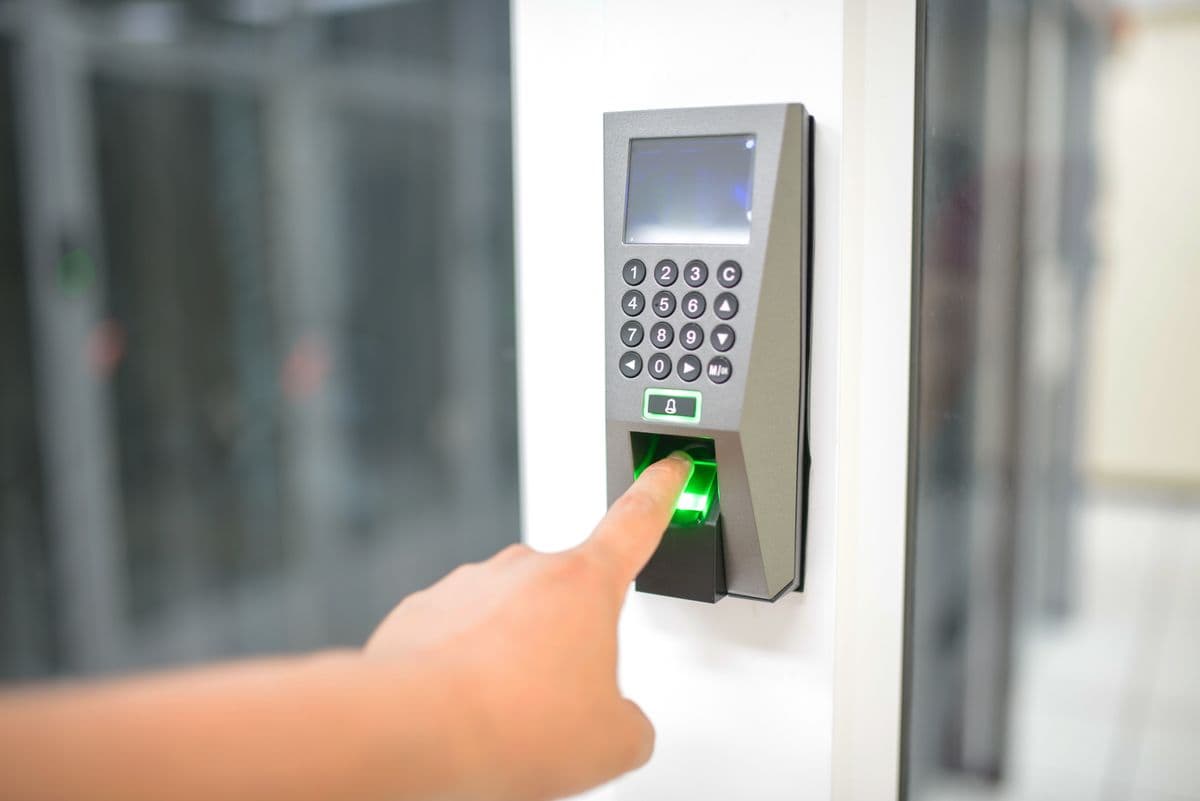
Fingerprint recognition remains the most common biometric modality for time and attendance applications in Uganda. Modern fingerprint time clocks capture and compare fingerprint patterns with high accuracy, typically achieving False Acceptance Rates below 0.001%. The technology is mature, cost-effective, and well-suited to Uganda's office and industrial environments.
Facial recognition time clocks are gaining popularity in Uganda's commercial sector, offering touchless operation that appeals to hygiene-conscious organizations. These systems identify employees as they approach the time clock, providing seamless clocking without physical contact. The contactless nature eliminates maintenance requirements associated with sensor cleaning and reduces cross-contamination concerns.
Integration with existing access control infrastructure maximizes return on investment. Organizations that have already deployed biometric access control readers can leverage these devices for time and attendance tracking without additional hardware investment. This shared infrastructure approach reduces total system cost while simplifying deployment and maintenance.
Integration Architecture
The architecture connecting biometric access control with payroll systems requires careful design to ensure reliable data flow, security, and compatibility with existing business systems.
Data Flow: Biometric Reader → Access Control Panel → Attendance Server → Payroll Software API → Payroll Calculation
This data flow represents the typical integration path, from biometric verification at the entry point through to payroll processing. Each stage requires appropriate security, reliability, and data transformation to ensure accurate attendance records reach payroll systems.
Key Integration Points:
- Real-time entry/exit logging for accurate work hour calculation
- Overtime alerts when employees exceed scheduled hours
- Leave management synchronization
- Shift pattern recognition and premium pay calculations
These integration points create comprehensive workforce management capabilities that extend beyond simple attendance tracking to provide valuable operational insights and compliance documentation.
Technical Integration Methods: Integration can be achieved through direct database connections, API integrations, or file-based data exchange. The selection of integration method depends on existing system capabilities, security requirements, and data volume considerations. For Uganda's organizations with varying IT infrastructure sophistication, multiple integration approaches may be necessary.
Data Transformation: Raw biometric attendance data must be transformed into payroll-ready formats that accommodate organizational pay rules, shift patterns, and leave policies. This transformation requires careful configuration to ensure accurate payroll calculations. For Uganda's organizations with diverse employment arrangements, flexible transformation rules are essential.
Data Flow and Processing Rules
Understanding how biometric clocking data transforms into payroll-ready attendance records is essential for successful integration.
Standard Work Hour Calculations: The attendance processing engine compares actual clock times against scheduled times, calculating regular hours, overtime hours, and any attendance exceptions. For Uganda's businesses subject to the Employment Act 2006, these calculations must comply with statutory overtime and rest period requirements.
Overtime Calculations: The system must identify overtime eligible hours based on daily and weekly thresholds, applying appropriate premium rates as configured. Accurate overtime tracking prevents both underpayment (which affects employee morale) and overpayment (which affects operational costs).
Leave Management Integration: When employees take approved leave, the attendance system records this information alongside clocking data, ensuring accurate attendance records. For Uganda's businesses managing various leave types, this integration simplifies attendance administration.
Security Considerations: Encrypted data transmission, access controls, and audit logging must be implemented throughout the integration chain. In Uganda's evolving data protection landscape, these security measures are both best practice and regulatory requirement.
Benefits for Ugandan Businesses
Integrating biometric access control with payroll systems delivers multiple benefits that directly impact operational efficiency, cost management, and regulatory compliance.
Fraud Elimination: Biometric verification prevents buddy punching and time theft that cost Ugandan businesses significant sums annually. Studies indicate that time theft can account for 1-5% of total payroll costs, making elimination of these losses a compelling return on investment. For Uganda's organizations with tight operational budgets, this fraud elimination provides immediate financial benefits.
Administrative Savings: Automated payroll calculation reduces HR staff time by 40-60%. Manual attendance collection, data entry, and reconciliation tasks are eliminated, freeing staff for more strategic activities. For Uganda's businesses with limited HR resources, these savings allow staff to focus on employee development and organizational improvement.
Accuracy Improvements: Automated calculations eliminate manual data entry errors, while biometric verification ensures recorded attendance reflects actual employee presence. For Uganda's organizations building reputation as employers of choice, accurate, timely payroll processing enhances employee trust and satisfaction.
Compliance Benefits: Accurate records satisfy NSSF and URA reporting requirements. Automated calculations ensure correct statutory deductions and contributions, reducing compliance risk. For Uganda's organizations subject to various regulatory requirements, automated compliance provides peace of mind and reduces administrative burden.
Operational Visibility: Real-time attendance data provides managers with visibility into workforce presence and patterns. This visibility supports operational planning, identifies attendance issues, and enables data-driven workforce decisions. For Uganda's organizations seeking to optimize workforce utilization, this visibility provides valuable management insights.
Implementation Best Practices
Successful implementation of biometric access control payroll integration requires careful planning, stakeholder engagement, and systematic execution.
Stakeholder Engagement: Involve HR, payroll, IT, and employee representatives early in the planning process. Each group brings valuable perspectives that influence system design and implementation. For Uganda's organizations, engaging employees early and addressing their concerns about biometric data use helps ensure successful adoption.
System Selection: Consider both technical requirements and practical factors such as local support availability, training resources, and long-term vendor stability. In Uganda's market, selecting systems with established local presence ensures access to support services when needed. Evaluating vendor track records with similar Ugandan deployments provides confidence in implementation success.
Pilot Deployment: Conduct pilot deployments in representative departments before full-scale implementation. Pilot testing validates system performance, identifies integration issues, and provides user feedback. For Uganda's organizations with multiple locations, phased rollouts starting with headquarters or largest locations provide manageable implementation paths.
Data Migration: Carefully plan migration of historical attendance data, employee records, and payroll configurations. Thorough data mapping and validation prevent errors that could affect payroll accuracy. For Uganda's organizations transitioning from manual systems, comprehensive data migration ensures continuity.
Training Programs: Develop training programs that address both system operation and the rationale behind biometric attendance tracking. Employees who understand the benefits of accurate attendance recording are more likely to accept biometric systems. For Uganda's organizations, comprehensive training ensures successful system adoption.
Common Implementation Mistakes and Avoidance Strategies
Understanding common implementation mistakes helps Ugandan organizations avoid issues that compromise system effectiveness or create employee relations challenges.
Underestimating Change Management: Implementing biometric systems without adequate communication, training, and employee engagement can create resistance that undermines system effectiveness. Investing in comprehensive change management ensures successful adoption. For Uganda's organizations, addressing cultural sensitivities around biometric data collection is particularly important.
Inadequate Data Migration Planning: Disrupting payroll operations during system transitions can affect employee trust and operational continuity. Historical attendance data, employee records, and payroll configurations must be carefully migrated to new systems. Thorough data mapping and validation prevent errors.
Neglecting Integration Testing: Insufficient testing of integration points can result in data synchronization failures between attendance and payroll systems. Testing all integration points with realistic data volumes and scenarios identifies issues before they affect production operations. For Uganda's organizations with monthly payroll cycles, testing during non-payroll periods provides safe validation opportunities.
Overlooking Ongoing Maintenance: Neglecting ongoing system maintenance and updates compromises long-term system reliability. Biometric systems require regular maintenance, software updates, and occasional hardware service. Establishing maintenance programs and support agreements ensures continued system performance.
Return on Investment
The combination of operational improvements from biometric access control payroll integration typically provides payback periods of 12-24 months. For Uganda's organizations, the ROI calculation should consider both quantifiable benefits and qualitative improvements such as enhanced employee relations and improved regulatory compliance.
Adherence to International Standards
Professional biometric access control payroll integration adheres to internationally recognized standards that ensure interoperability, reliability, and data security.
ISO/IEC 27001: Information security management standards that govern how biometric and attendance data is stored, processed, and protected. For Uganda's organizations, compliance with these standards demonstrates responsible data management practices.
W3C Web Content Accessibility Guidelines: Ensure that biometric systems are accessible to users with disabilities. For Uganda's organizations, accessibility compliance ensures that all employees can use attendance systems effectively.
Local Regulatory Compliance: Uganda's labor laws, data protection requirements, and tax regulations must be considered in system design and implementation. For Uganda's organizations, regulatory compliance is both a legal requirement and a demonstration of responsible business practices.
Industry Best Practices: Established practices for biometric system implementation, data management, and system maintenance provide guidance for successful deployments. For Uganda's organizations, following these practices reduces implementation risk and ensures system quality.
Conclusion and Implementation Guidance
Integrating biometric access control with payroll systems delivers significant benefits for Ugandan organizations, from eliminating time fraud to reducing administrative burden and improving regulatory compliance. The technology is mature, proven, and well-suited to Uganda's business environment.
Successful implementation requires careful planning, stakeholder engagement, and professional execution. From selecting appropriate biometric technologies to configuring integration with existing payroll systems, each step must be executed with attention to detail and understanding of local requirements.
For Ugandan organizations seeking to implement or upgrade their time and attendance systems, professional guidance ensures optimal results and maximizes return on investment. The combination of biometric verification accuracy and automated payroll integration creates a powerful workforce management platform that supports operational excellence.
Backspace IT Services specializes in biometric access control payroll integration, providing comprehensive solutions that integrate seamlessly with Uganda's popular payroll platforms. Our experienced team combines technical expertise with deep understanding of local business requirements and regulatory frameworks. Request a site assessment to discuss your workforce management automation needs and discover how our professional services can help streamline your attendance and payroll processes.
Frequently Asked Questions
What biometric technologies are available for access control?▼
How accurate are biometric access control systems?▼
Can biometric access control integrate with existing security systems?▼
What happens if a biometric reader fails?▼
Are biometric systems compliant with privacy regulations?▼
Continue reading
More articles in Biometric Access Control →