Designing Speed Gates and Turnstile Controls for Commercial Real Estate
Managing visitor flow in commercial lobbies requires linking access hardware directly with your core database. Modern speed gate turnstiles use automated dro...

Managing visitor flow in commercial lobbies requires linking access hardware directly with your core database. Modern speed-gate turnstiles use automated drop-arm barriers and optical sensors to prevent unauthorized tailgating. Connecting these physical barriers directly into your security network lets the system automatically check incoming credentials against employee records, keeping building access secure while providing a smooth entry experience..
In Uganda's rapidly growing commercial real estate sector, particularly in Kampala's central business district and emerging business parks, turnstile integration represents a critical component of comprehensive building security systems. The selection, deployment, and integration of turnstile systems directly impacts building security effectiveness, visitor experience, and operational efficiency.
This comprehensive guide explores turnstile integration frameworks, from technology fundamentals to advanced deployment strategies, providing Ugandan commercial property managers and business owners with the knowledge needed to implement effective, reliable turnstile security solutions.
Turnstile Technology Fundamentals and Types
Modern turnstile systems encompass various mechanical and electronic designs, each suited to specific applications and security requirements. Understanding the different turnstile types helps organizations select the most appropriate solution for their commercial properties.
Full-height turnstiles, often called "rotogates," provide the highest security level by completely blocking passage until authentication is verified. These systems prevent tailgating and unauthorized entry more effectively than other turnstile types, making them suitable for high-security applications. In Uganda's commercial buildings with sensitive operations, full-height turnstiles provide robust perimeter protection.
Optical speed gates represent the most common turnstile type in Uganda's commercial real estate. These systems use infrared sensor arrays to detect passage and prevent tailgating while maintaining an aesthetically pleasing appearance suitable for corporate lobbies. The transparent barrier panels create an open feel while providing effective access control.
Tripod turnstiles offer a cost-effective solution for medium-security applications. The rotating tripod mechanism allows controlled single-person passage while preventing unauthorized entry. For Uganda's commercial properties with moderate security requirements, tripod turnstiles provide an economical balance of security and throughput.
Swing gate turnstiles feature motorized gates that open and close to allow authorized passage. These systems offer smooth, quiet operation suitable for professional environments and can accommodate wheelchair access and large items. In Uganda's commercial buildings requiring accessibility compliance, swing gates provide inclusive access control.
Integration Architecture and System Design
Effective turnstile integration requires careful system architecture design that connects physical barriers with authentication systems, databases, and management platforms. This integration creates a comprehensive security ecosystem that enhances building protection and operational efficiency.
The core integration architecture connects turnstile controllers with access control panels, which communicate with central management servers. For Uganda's commercial buildings, this architecture must accommodate varying network infrastructures and power reliability conditions. Redundant communication paths and local processing capabilities help ensure system operation during network disruptions.
Database integration enables real-time credential verification against employee and visitor records. When a user presents credentials at the turnstile, the system queries the database to verify authorization, then commands the turnstile to allow or deny passage. In Uganda's multi-tenant commercial buildings, database integration must support multiple organizations while maintaining data separation and security.
Network design for turnstile systems must accommodate both security requirements and practical installation constraints. Dedicated security networks isolate turnstile traffic from general office data, enhancing security while ensuring reliable performance. For Uganda's commercial buildings with varying IT infrastructure, network designs must balance security with existing infrastructure limitations.
Integration with building management systems creates opportunities for enhanced functionality. Turnstile data can inform traffic patterns, optimize elevator operations, and support emergency evacuation procedures. For Uganda's modern commercial buildings seeking smart building capabilities, turnstile integration provides valuable data and control opportunities.
Authentication Methods and Credential Technologies
Turnstile systems support various authentication methods, each offering different balances of security, convenience, and cost. Selecting the appropriate authentication technology requires understanding the specific requirements of Uganda's commercial building environments.
Card-based authentication using RFID or NFC credentials remains the most common method in Uganda's commercial buildings. Employees and authorized visitors present proximity cards or fobs to turnstile readers, which verify credentials against the access control database. The technology is mature, well-understood, and offers reasonable security for most commercial applications.
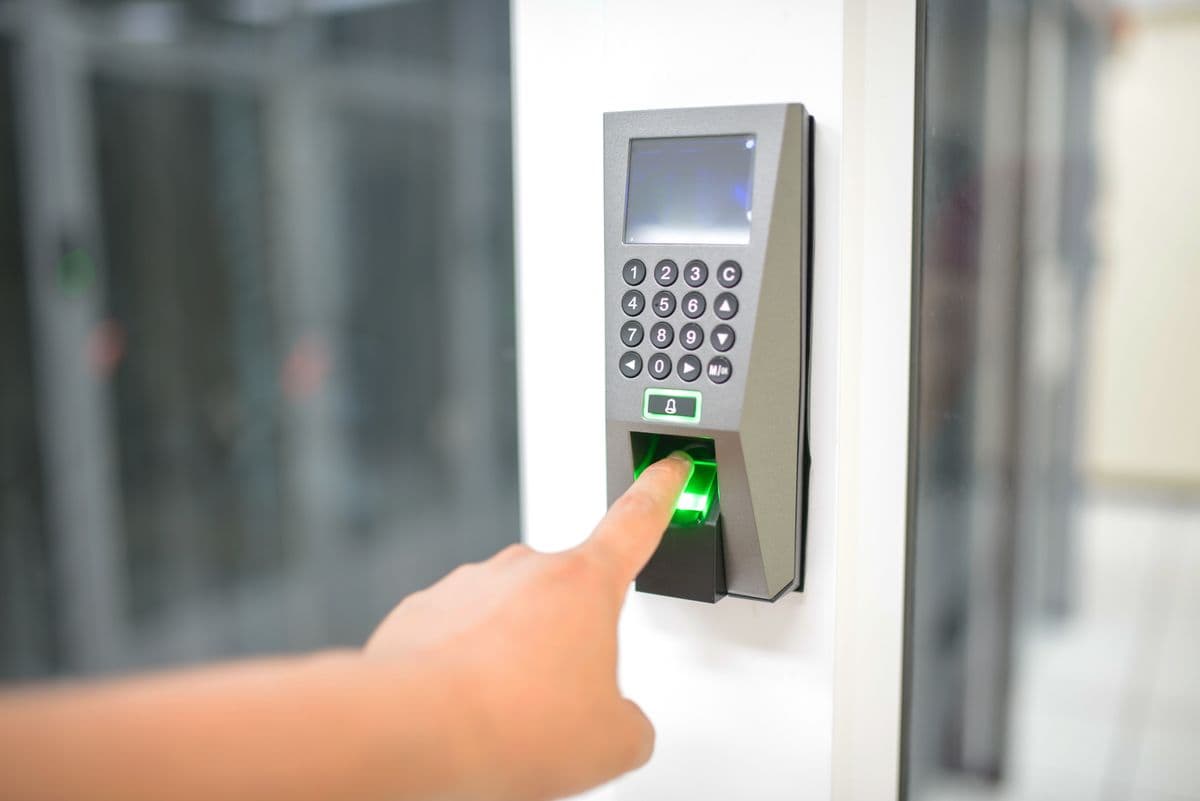
Biometric authentication provides enhanced security by verifying physical characteristics such as fingerprints or facial features. In Uganda's commercial buildings with higher security requirements, biometric turnstiles prevent credential sharing and provide accurate audit trails. The contactless nature of modern facial recognition systems maintains smooth traffic flow while enhancing security.
Mobile credentials using smartphone applications are gaining popularity in Uganda's commercial real estate. These virtual credentials eliminate the need for physical cards, reducing distribution costs and providing convenient access for employees and visitors. The technology leverages existing smartphone infrastructure, making it particularly suitable for Uganda's mobile-first business environment.
Multi-factor authentication combines two or more methods for enhanced security. For example, requiring both a card presentation and a fingerprint verification ensures that stolen credentials alone cannot grant access. In Uganda's commercial buildings protecting sensitive operations, multi-factor turnstile authentication provides the highest security levels.
Traffic Flow Management and User Experience
Effective turnstile integration balances security requirements with smooth traffic flow and positive user experience. Overly restrictive systems create bottlenecks and user frustration, while insufficient security compromises building protection.
Throughput capacity planning must account for peak traffic periods, typically morning arrival and evening departure in commercial buildings. For Uganda's commercial properties, turnstile lane quantities should accommodate 150-200% of normal peak traffic to prevent queuing and delays. This planning must consider both regular employees and visitor traffic patterns.
Speed gate configuration affects both security and user experience. Barrier opening speeds, passage detection sensitivity, and tailgating prevention settings must be optimized for the specific traffic patterns and security requirements of each building. In Uganda's commercial environments with diverse user populations, these settings require careful tuning and periodic adjustment.
Visitor management integration enhances the turnstile experience for guests while maintaining security. Pre-registered visitors receive digital credentials that provide seamless access through turnstiles, while walk-in visitors receive temporary credentials after verification at reception. For Uganda's commercial buildings hosting diverse visitor populations, efficient visitor turnstile integration improves both security and hospitality.
Emergency egress capabilities ensure that turnstiles do not impede evacuation during emergencies. Fail-safe configurations allow free passage during power failures or emergency signals, prioritizing occupant safety over security. In Uganda's commercial buildings, compliance with fire safety regulations requires proper emergency egress provisions in all turnstile installations.
Maintenance and Support Requirements
Turnstile systems require regular maintenance and prompt support to maintain reliable operation and security effectiveness. Establishing maintenance programs tailored to Uganda's operating conditions ensures long-term system performance.
Preventive maintenance schedules should address mechanical components, electronic systems, and software platforms. For Uganda's commercial buildings, quarterly preventive maintenance visits typically include mechanical lubrication, sensor cleaning and calibration, and software updates. This regular attention prevents minor issues from developing into major system failures.
Environmental factors in Uganda affect turnstile maintenance requirements. Dust accumulation on optical sensors can cause false detections or missed passages. Humidity and temperature variations can affect mechanical components and electronic circuits. Maintenance programs must account for these environmental challenges with appropriate cleaning and protection measures.
Spare parts inventory management ensures that replacement components are available when needed. Critical spares such as barrier mechanisms, sensors, and controller boards should be maintained locally to minimize repair delays. For Uganda's commercial buildings where turnstile downtime affects building security and operations, spare parts availability is essential.
Support agreements with qualified service providers ensure access to expert assistance when needed. Service level agreements should specify response times, resolution targets, and escalation procedures. For Uganda's commercial buildings with security-critical turnstile systems, reliable support agreements provide peace of mind and operational assurance.
Cost Analysis and Return on Investment
Understanding the total cost of turnstile ownership helps Ugandan commercial property managers make informed investment decisions. Cost analysis must encompass initial capital expenditure, ongoing operational costs, and the value of enhanced security and operational efficiency.
Initial equipment costs vary significantly based on turnstile type, authentication methods, and integration requirements. Basic tripod turnstiles are the most economical option, while full-height turnstiles with biometric authentication provide the highest security level. These costs must be evaluated against the specific security requirements of each application.
Installation costs depend on site conditions, integration complexity, and project timelines. For Uganda's commercial buildings, turnstile installation typically costs 20-40% of equipment costs, though complex integrations may require additional investment. Proper project planning and experienced installation teams help control these costs.
Operational costs include maintenance, power consumption, and ongoing software licensing. Annual maintenance typically costs 10-15% of initial equipment investment. Power consumption varies by turnstile type, with optical speed gates consuming 50-100 watts per lane and full-height turnstiles consuming 200-500 watts per lane.
The return on investment from turnstile systems comes through enhanced security, reduced security personnel requirements, and improved operational efficiency. For Uganda's commercial buildings, the combination of improved tenant security, reduced guard costs, and enhanced building reputation typically provides payback periods of 3-5 years.
Common Implementation Challenges and Solutions
Understanding common turnstile implementation challenges helps Ugandan commercial property managers avoid issues that compromise system effectiveness or create operational problems.
Space constraints in existing buildings often complicate turnstile installation. Retrofit projects must accommodate existing architectural features while providing adequate turnstile lane widths and user queuing space. Creative design solutions and flexible turnstile configurations help overcome these challenges in Uganda's diverse commercial building stock.
Network infrastructure limitations can affect turnstile integration. Older buildings may lack the network infrastructure required for modern connected turnstile systems. Phased upgrade approaches, starting with critical security functions and expanding over time, provide practical solutions for Uganda's varying building infrastructure conditions.
User acceptance challenges can undermine system effectiveness. Employees and visitors unfamiliar with turnstile systems may resist change or develop workarounds that compromise security. Comprehensive change management programs and user-friendly system design help ensure successful adoption in Uganda's commercial environments.
Power reliability concerns in Uganda require attention to turnstile failover capabilities. Systems must maintain security during power interruptions while allowing safe egress. Battery backup systems and fail-safe configurations address these concerns while maintaining both security and safety requirements.
Future Trends and Technology Evolution
Turnstile technology continues to evolve, with emerging capabilities that will affect future deployment decisions for Uganda's commercial real estate. Understanding these trends helps organizations make forward-looking investments.
Integration with smart building platforms enables turnstile systems to contribute to comprehensive building management. Data from turnstile passages can optimize HVAC operations, elevator dispatching, and space utilization. For Uganda's commercial buildings pursuing smart building certifications, integrated turnstile systems provide valuable data and control capabilities.
Touchless authentication technologies, accelerated by hygiene concerns, are becoming standard in new turnstile installations. Facial recognition, mobile credentials, and other contactless methods reduce surface touching while maintaining security. In Uganda's commercial environments, these hygienic advantages align with evolving workplace health expectations.
Cloud-based management platforms are transforming turnstile system administration. Remote monitoring, configuration, and troubleshooting reduce the need for on-site technical support. For Uganda's commercial property managers overseeing multiple buildings, cloud platforms provide centralized management capabilities.
Artificial intelligence applications in turnstile systems enable advanced traffic analytics, anomaly detection, and predictive maintenance. These capabilities enhance both security effectiveness and operational efficiency. As these technologies mature, they will provide significant value for Uganda's commercial building security operations.
Conclusion and Implementation Guidance
Turnstile integration represents a critical component of comprehensive building security for Uganda's commercial real estate. From selecting appropriate turnstile types to implementing effective integration and maintenance programs, successful deployment requires careful planning and expert execution.
The selection of turnstile systems must balance security requirements, user experience, and operational constraints specific to each commercial property. Whether deploying basic tripod turnstiles for cost-effective access control or implementing advanced biometric speed gates for high-security applications, proper design and integration ensure effective, reliable operation.
For commercial property managers and business owners in Uganda seeking to implement or upgrade turnstile security systems, professional guidance ensures optimal results. The investment in properly designed and integrated turnstile systems enhances building security, improves tenant satisfaction, and provides long-term operational value.
Backspace IT Services specializes in commercial building security system design and implementation, including comprehensive turnstile integration solutions tailored to Uganda's specific requirements. Our experienced team combines international technology expertise with deep local knowledge to deliver security solutions that enhance building protection while providing positive user experiences. Contact us today to discuss your commercial building turnstile integration needs and discover how our professional services can help create secure, efficient building access systems.
Frequently Asked Questions
What biometric technologies are available for access control?▼
How accurate are biometric access control systems?▼
Can biometric access control integrate with existing security systems?▼
What happens if a biometric reader fails?▼
Are biometric systems compliant with privacy regulations?▼
Continue reading
More articles in Biometric Access Control →