Zero-Lag Hospitality Network for Kampala Hotel
Client: Hotel & hospitality venue
Full network redesign for a Kampala hotel — fiber backbone, enterprise WiFi with survey-based AP placement, VLAN segmentation, and dual-ISP failover, eliminating dead zones across all guest and operational areas.
Project
Full deployment of structured cabling, fiber backbone, enterprise WiFi, and network management for a multi-story hotel property in Kampala.
Client Environment
A mid-to-large hotel property in Kampala with multiple floors of guest rooms, a lobby and reception area, conference and meeting rooms, restaurant and bar spaces, and back-of-house operations. The property handles hundreds of guests daily, with WiFi as a core amenity expectation.
The Challenge
What We Walked Into
Guest satisfaction surveys consistently cited WiFi as a pain point. The existing wireless network was built on consumer-grade access points that could not handle the density of concurrent connections during peak check-in periods. Conference rooms — a key revenue stream — had unreliable connectivity that undermined client presentations and video calls. The restaurant and lobby areas had complete WiFi dead zones. There was no centralized management platform, meaning the IT team had no visibility into network health, client counts, or bandwidth utilization. Guest WiFi and operational systems (POS, property management) shared the same network segment, creating both security and performance issues.
Existing Environment
What Was Already In Place
Consumer-grade wireless routers scattered across floors with no unified SSID or roaming support. Cat5e cabling from the original build-out, with several runs damaged or disconnected during previous renovations. A single internet connection from one ISP with no failover. The hotel's property management system, POS terminals, and IP phones all shared a flat network with guest traffic. No network monitoring or management tools were in place.
Assessment
What We Discovered
A wireless site survey using a Ekahau heatmap identified four distinct dead zones: the ground-floor restaurant, two conference rooms on the second floor, and the rooftop bar area. Signal interference was detected from neighboring properties and from the hotel's own microwave installations. The existing Cat5e cabling measured within spec on most runs, but the fiber backbone between floors was non-existent — all inter-floor traffic was routed through a single copper uplink that created a bottleneck. The single ISP connection measured 100Mbps symmetric, which was insufficient for the combined guest and operational load. No VLAN segmentation existed between guest traffic and internal systems.
Design
Architecture & Decisions
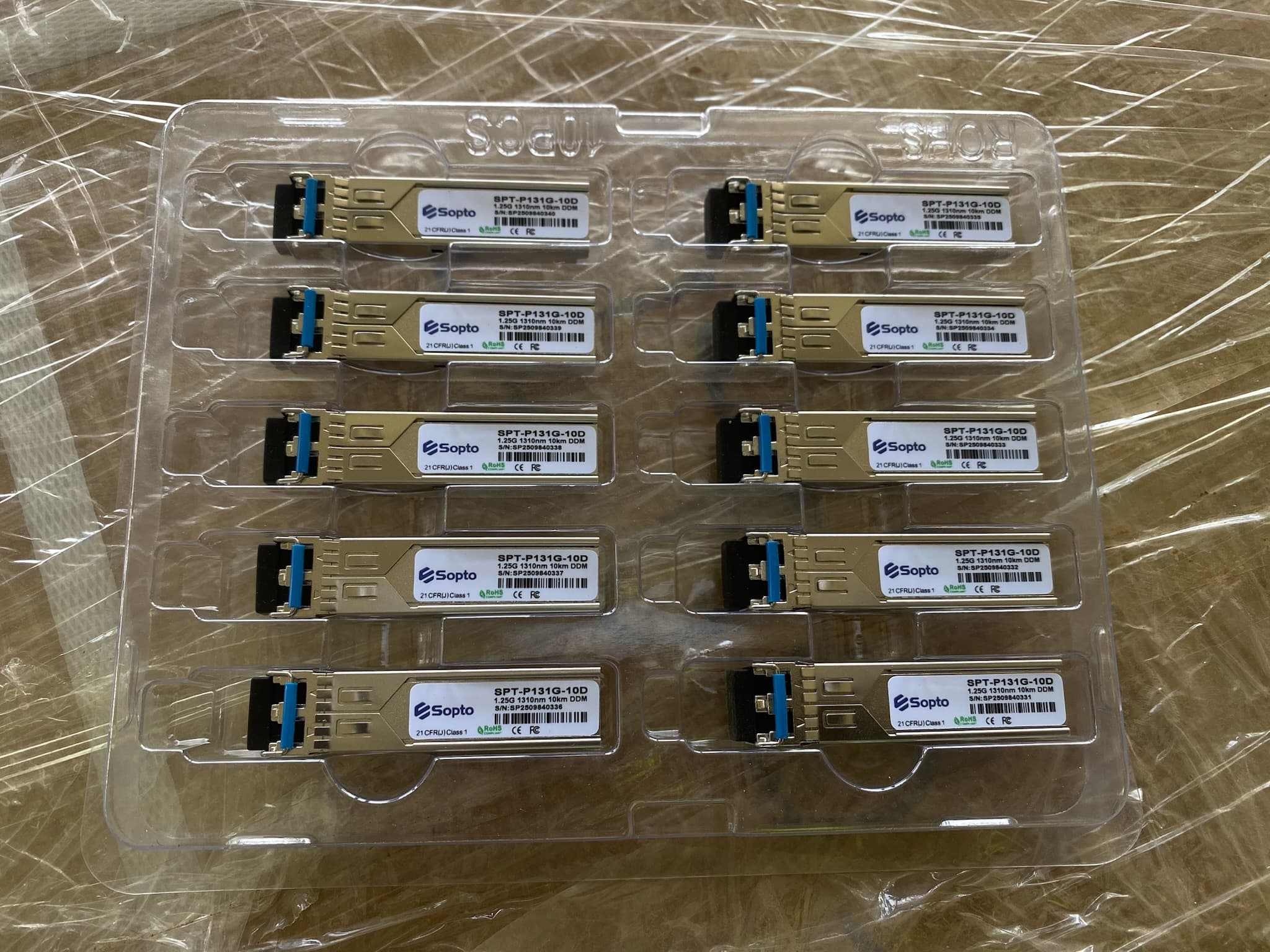
The network was designed around a Cat6a copper backbone with single-mode fiber uplinks from each floor to the MDF, providing 10Gbps inter-floor capacity. Enterprise-grade access points were positioned based on the heatmap survey, with density calculated for peak concurrent connections per zone. A VLAN architecture was implemented to segment guest WiFi, operational systems (POS, PMS, IP phones), and administrative traffic. Centralized network management was deployed with cloud-based monitoring for real-time visibility into AP health, client distribution, and bandwidth utilization. A dual-ISP failover architecture was configured at the edge.
Implementation
What Was Deployed
- Installed Cat6a structured cabling across all floors with single-mode fiber uplinks to the MDF, replacing damaged Cat5e runs and establishing 10Gbps inter-floor connectivity
- Deployed enterprise-grade wireless access points at survey-determined positions — high-density models for the lobby and conference floors, standard models for guest room corridors
- Configured seamless WiFi roaming across all APs with a unified SSID for guests and a separate SSID for staff, both on their respective VLANs
- Implemented VLAN segmentation: dedicated VLANs for guest WiFi, POS/PMS, IP telephony, and administrative systems, with firewall rules governing inter-VLAN traffic
- Installed dual-ISP edge router with automatic failover, balancing guest and operational traffic across both connections
- Deployed cloud-managed network monitoring dashboard providing real-time visibility into AP client counts, bandwidth usage, and alerting on anomalies
Testing
Verification & Validation
- Full wireless heatmap verification post-deployment using Ekahau, confirming coverage across all areas including previously identified dead zones
- Load testing simulating 300+ concurrent guest devices streaming, browsing, and conducting video calls without degradation on operational systems
- Seamless roaming verification by walking all guest corridors and conference rooms while maintaining a continuous VoIP call — no dropouts or handoff lag detected
- VLAN isolation testing confirming guest devices cannot access operational network segments, with penetration testing validating firewall rules
- Dual-ISP failover testing by simulating primary ISP failure — switchover completed in under 5 seconds with no session中断 for connected clients
- 72-hour monitoring period validating stable performance under real guest load patterns, with no AP reboots or alerts triggered
The Result
Outcome
The hotel now provides full WiFi coverage across all guest-facing areas with enterprise-grade access points supporting hundreds of concurrent connections. Guest WiFi operates on a dedicated, segmented VLAN separate from operational systems. The IT team has real-time visibility into network health through a centralized dashboard. Dual-ISP failover provides redundancy at the internet edge. Conference room connectivity supports client-facing video presentations without interruption.
Need a Similar Solution?
Talk to an Engineer. Book a free on-site assessment and get a custom infrastructure plan within 48 hours.