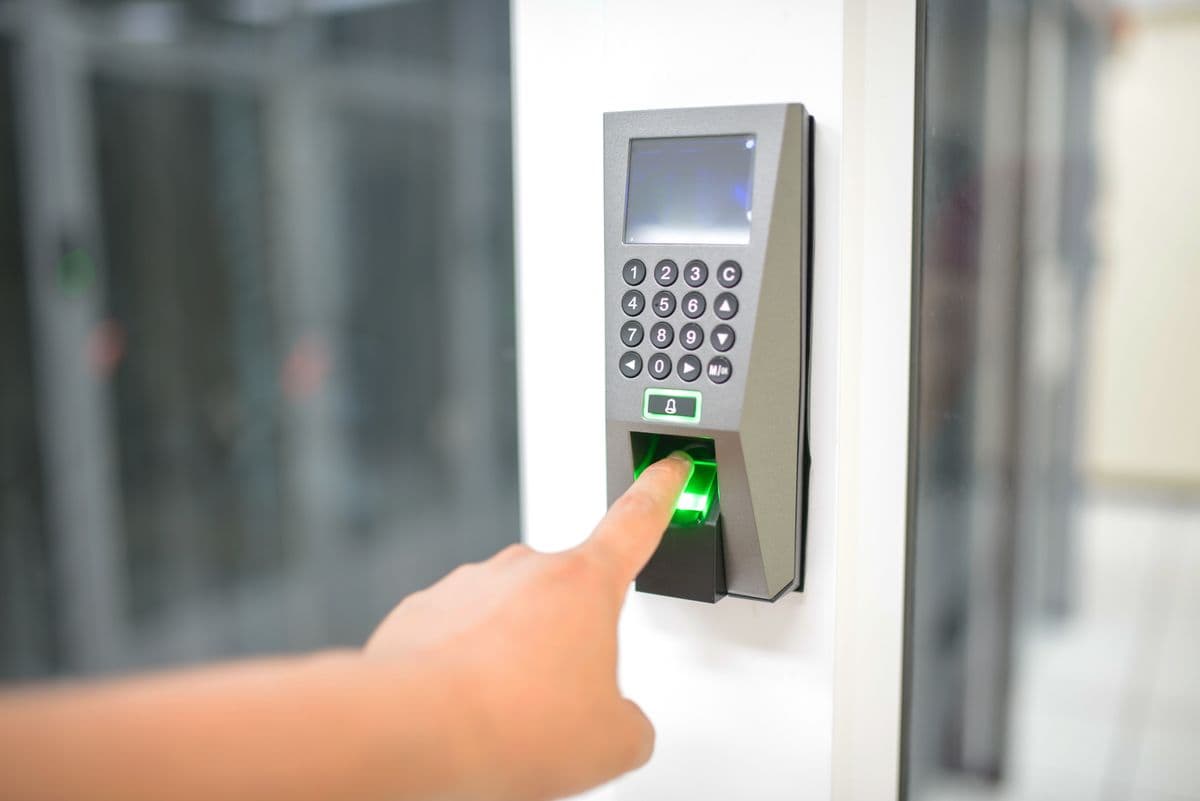
Single-Cable Deployments: Running Power and Data to Door Controllers
Traditional door security setups require separate electrical power lines run to every frame alongside the system data wires. Power over Ethernet (PoE) hardwa...

Traditional door security setups require separate electrical power lines run to every frame alongside the system data wires. Power over Ethernet (PoE) hardware simplifies this by sending both device operating power and network data through a single structured Cat6 line. This approach cuts down on required wiring work, eliminates the need for localized power supplies at every door, and makes it simple to back up your entire security setup using a central UPS..
In Uganda's commercial and industrial environments, where electrical infrastructure varies widely and installation costs are a significant consideration, PoE technology offers compelling advantages for door access system deployment. The convergence of power and data transmission simplifies installation, reduces costs, and enhances system reliability.
This comprehensive guide explores PoE door access systems, from technology fundamentals to advanced deployment strategies, providing Ugandan organizations with the knowledge needed to implement reliable, cost-effective access control solutions.
PoE Technology Fundamentals for Access Control
Power over Ethernet technology delivers electrical power alongside data communication through standard Ethernet cables, eliminating the need for separate power wiring at each connected device. Understanding PoE fundamentals is essential for designing effective door access systems.
The IEEE 802.3af standard introduced PoE with power delivery up to 15.4 watts per port, suitable for basic access control devices such as card readers and simple biometric units. The IEEE 802.3at (PoE+) standard increased power delivery to 30 watts per port, supporting more power-hungry devices such as advanced biometric readers and motorized locks. The IEEE 802.3bt (PoE++) standard further increased power to 60-100 watts, enabling deployment of comprehensive door systems with multiple powered components.
For door access applications in Uganda, PoE technology provides several practical advantages. Single-cable installation reduces wiring complexity and labor costs, particularly significant in buildings where running new electrical circuits is difficult or expensive. Centralized power supply simplifies backup power implementation, as a single UPS system can protect all connected door controllers.
The distance limitations of PoE technology (100 meters maximum cable run) align well with typical door access deployment scenarios. Most door controllers are located within 100 meters of network closets or intermediate distribution frames, making PoE a practical solution for Uganda's commercial buildings.
PoE switch selection for door access systems should consider power budget, port density, and management capabilities. Managed PoE switches provide monitoring and control features that enhance system administration, while unmanaged switches offer cost-effective solutions for smaller deployments. For Uganda's organizations, the choice between managed and unmanaged switches depends on deployment scale and management requirements.
Door Access System Architecture with PoE
Designing door access systems around PoE technology requires understanding how power delivery, data communication, and security requirements interact. The architecture must accommodate both current needs and future expansion while maintaining security and reliability.
The basic PoE door access architecture consists of PoE switches providing power and connectivity to door controllers, which in turn connect to readers, locks, and sensors at each entry point. This architecture centralizes power management while distributing control to each door location. For Uganda's commercial buildings, this architecture simplifies deployment while providing scalable growth.
Network design for PoE door access must account for both power requirements and security isolation. Dedicated PoE switches for security systems ensure adequate power delivery while maintaining network segmentation. For Uganda's organizations, separating door access traffic from general office networks enhances security while ensuring reliable performance.
Cabling infrastructure must support both data communication and power delivery requirements. Category 6 (Cat6) cable is the minimum recommended standard for PoE door access, providing adequate performance for both power and data. For Uganda's buildings with existing lower-grade cabling, assessment of cable capabilities determines whether upgrades are necessary.
Scalability considerations must address future expansion of door access points. Selecting PoE switches with adequate power reserves and available ports accommodates growth without requiring infrastructure replacement. For Uganda's organizations planning phased security system expansion, scalable PoE architecture provides cost-effective growth paths.
Implementation Best Practices for Ugandan Environments
Successful PoE door access implementation requires careful planning, proper execution, and attention to Uganda's specific environmental and operational conditions. These best practices help organizations achieve reliable, effective deployments.
Site assessment should evaluate existing network infrastructure, power availability, and physical security requirements at each door location. For Uganda's buildings with varying infrastructure conditions, this assessment identifies potential challenges and informs design decisions. Assessment should include cable pathway evaluation, switch location planning, and environmental condition documentation.
Power budget planning ensures that PoE switches can deliver adequate power to all connected devices. Each door controller, reader, and lock consumes specific power amounts that must be totaled and compared against switch power capacity. For Uganda's organizations, including 20-30% power reserves accommodates future expansion and prevents power-related reliability issues.
Cable installation practices must follow manufacturer specifications for both data performance and power delivery. Proper cable termination, bend radius maintenance, and testing ensure reliable operation. For Uganda's installations, attention to cable protection in challenging environments (dust, humidity, temperature variations) prevents premature cable degradation.
Device configuration should include security settings, power management parameters, and integration settings. Each door controller must be configured for its specific door hardware, authentication methods, and communication requirements. For Uganda's organizations, standardized configuration templates simplify deployment while ensuring consistency.
Reliability and Redundancy Considerations
PoE door access systems must provide reliable operation to maintain building security. Reliability considerations encompass power supply, network connectivity, and device-level redundancy.
Power supply redundancy ensures that door access systems continue operating during power interruptions or equipment failures. Redundant PoE switches, backup power supplies, and UPS systems provide layered protection against power-related outages. For Uganda's environments with variable power quality, comprehensive power protection is essential.
Network connectivity redundancy prevents single points of failure from disabling door access systems. Dual network connections, mesh topology, and local caching capabilities maintain operation during network disruptions. For Uganda's organizations where network reliability varies, these redundancy measures provide operational assurance.
Device-level redundancy includes backup authentication methods, local decision-making capabilities, and failover mechanisms. Door controllers that can operate independently during network outages maintain security while connectivity is restored. For Uganda's organizations, these capabilities ensure continuous security regardless of network conditions.
Monitoring and alerting systems provide early warning of potential reliability issues. Automated monitoring of power levels, network connectivity, and device status enables proactive maintenance. For Uganda's organizations with limited security operations resources, automated monitoring helps maintain system reliability.
Cost Analysis and Return on Investment
Understanding the total cost of PoE door access systems helps Ugandan organizations make informed investment decisions. Cost analysis should encompass initial deployment, ongoing operations, and the value of enhanced security and operational efficiency.
Initial deployment costs for PoE door access systems are typically lower than traditional wired systems due to reduced cabling and electrical work. For Uganda's organizations, per-door costs vary depending on authentication technology, lock type, and integration requirements. These costs compare favorably with traditional systems requiring separate power and data wiring.
Operational costs for PoE systems are influenced by centralized power management, simplified maintenance, and reduced infrastructure complexity. Centralized UPS protection reduces distributed battery maintenance, while single-cable infrastructure simplifies troubleshooting. For Uganda's organizations, these operational efficiencies reduce ongoing costs.
The return on investment from PoE door access comes through reduced installation costs, simplified maintenance, and enhanced system capabilities. For Uganda's organizations, typical payback periods range from 2-4 years when comparing PoE systems to traditional wired alternatives.
Total cost of ownership calculations should include infrastructure lifespan, technology evolution, and expansion requirements. PoE infrastructure typically supports 10-15 years of operation, with technology upgrades accommodated through device replacement rather than infrastructure overhaul. For Uganda's organizations planning long-term security investments, this longevity provides value.
Common Implementation Challenges and Solutions
Understanding common PoE door access implementation challenges helps Ugandan organizations avoid issues that compromise system reliability or create operational difficulties.
Power budget limitations can prevent adequate power delivery to all connected devices. Careful power planning and selection of appropriately sized PoE switches prevents these issues. For Uganda's organizations, understanding device power requirements and planning for growth ensures adequate power delivery.
Cable distance limitations can affect deployment in large buildings. PoE extenders, intermediate switches, or alternative technologies may be required for locations beyond 100 meters. For Uganda's buildings with extended floor plans, these solutions enable PoE deployment throughout the facility.
Environmental factors such as dust, humidity, and temperature variations can affect PoE equipment performance. Selecting equipment with appropriate environmental ratings and implementing protection measures addresses these challenges. For Uganda's tropical climate, environmental protection is particularly important.
Integration with existing infrastructure may require adapters, converters, or supplementary equipment. Legacy systems, non-standard hardware, and proprietary protocols can complicate PoE integration. For Uganda's organizations with diverse security equipment, careful planning and vendor coordination ensures successful integration.
Conclusion and Implementation Guidance
PoE door access systems offer compelling advantages for Ugandan organizations, including reduced installation costs, simplified maintenance, and enhanced system capabilities. The convergence of power and data delivery through standard Ethernet cables creates flexible, scalable access control solutions suitable for diverse commercial and industrial environments.
Successful implementation requires careful planning, proper execution, and attention to Uganda's specific environmental and operational conditions. From power budget planning through cable installation and device configuration, each element must be implemented with attention to reliability and security requirements.
For Ugandan organizations seeking to implement or upgrade their door access systems, professional guidance ensures effective deployment that maximizes the benefits of PoE technology. The investment in properly designed and implemented PoE door access provides reliable security with favorable total cost of ownership.
Backspace IT Services specializes in PoE door access system design and implementation, providing solutions tailored to Uganda's specific requirements and environmental conditions. Our experienced technicians combine technical expertise with deep local knowledge to deliver access control systems that provide reliable security while minimizing installation and operational costs. Contact us today to discuss your door access requirements and discover how PoE technology can enhance your organization's security infrastructure.
Frequently Asked Questions
What biometric technologies are available for access control?▼
How accurate are biometric access control systems?▼
Can biometric access control integrate with existing security systems?▼
What happens if a biometric reader fails?▼
Are biometric systems compliant with privacy regulations?▼
Continue reading
More articles in Biometric Access Control →