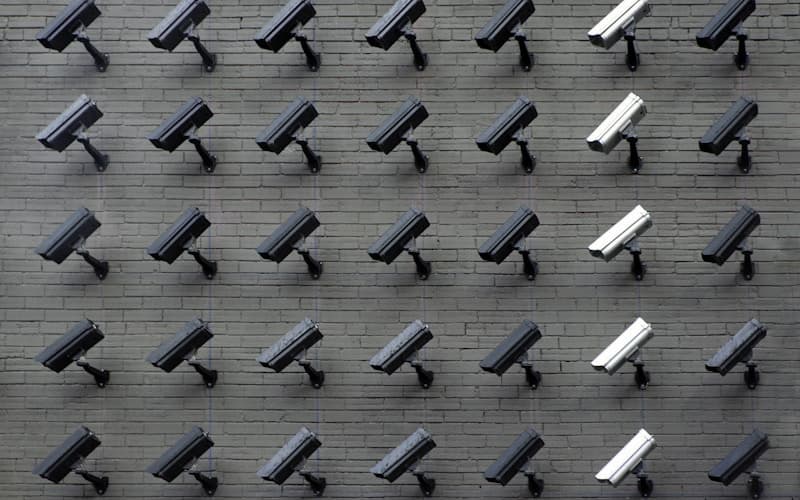
CCTV Security Systems for Ugandan Businesses
Complete guide to CCTV security systems for Ugandan businesses — camera selection, NVR storage, installation, and maintenance with real costs.

Key Takeaways for Decision-Makers
- Professional CCTV systems reduce theft and shrinkage by 40-60% within the first year, with insurance providers offering 10-25% premium discounts for monitored surveillance — offsetting a significant portion of annual operating costs.
- A complete system for a small Ugandan business starts at UGX 15M, while large commercial facilities invest UGX 150M+ — proper planning ensures every shilling delivers maximum security coverage.
- IP cameras with H.265+ encoding and PoE connectivity are the professional standard, reducing cabling costs by 40% and storage requirements by 70% compared to older analog and H.264 systems.
Security is a top priority for businesses in Uganda. A properly designed CCTV system provides 24/7 monitoring, deters criminal activity, and gives you peace of mind whether you are on-site or remote. From retail shops in Kampala to warehouses in industrial areas, surveillance technology has become an essential investment for protecting assets, employees, and customers.
Understanding your options is the first step toward building a security system that works for your specific needs. This guide covers the key considerations for selecting, installing, and maintaining a CCTV system for your Ugandan business.
Why CCTV Matters for Ugandan Businesses
Uganda's business landscape presents unique security challenges — theft, vandalism, unauthorized access, and internal shrinkage that CCTV systems address effectively.
Deterrence and Evidence Collection
Visible cameras serve as a powerful deterrent. Criminals are far less likely to target a premises that clearly displays surveillance equipment. Beyond deterrence, CCTV systems provide critical evidence when incidents do occur. High-quality footage helps law enforcement identify suspects and supports insurance claims.
Insurance benefits: Many insurance providers in Uganda offer premium discounts of 10-25% for businesses with professionally installed and monitored CCTV systems. These savings can offset a significant portion of the system's annual operating costs.
Remote Monitoring
Modern systems enable remote monitoring — business owners can check on their premises from anywhere using a smartphone or computer. This capability is particularly valuable for businesses with multiple locations or for owners who travel frequently.
Employee Safety and Accountability
CCTV systems protect employees from workplace violence, harassment, and false accusations. In retail and hospitality environments where staff interact with the public, video evidence provides crucial protection against disputes and ensures a safe working environment.
Types of CCTV Cameras and Their Applications
Dome Cameras — Indoor Surveillance
Dome cameras are ideal for indoor surveillance. Their discreet design blends into ceilings and walls, making them less obtrusive while providing a wide field of view.
- Resolution: 1080P to 4K
- Field of view: 100°-120° wide-angle
- Best for: Offices, retail stores, reception areas, restaurants
- Cost in Uganda: UGX 300,000 to 1,500,000 per camera
Recommended models: Hikvision DS-2CD1343G2-IU (4MP, turret, IR 30m), Dahua IPC-HDW2439T-A-IL (4MP, starlight, IR 30m).
Bullet Cameras — Outdoor Monitoring
Bullet cameras are designed for outdoor monitoring. Their elongated shape houses powerful lenses capable of long-range visibility — perfect for parking lots, building perimeters, and entry points.
- Resolution: 4MP to 8MP
- IR range: 50-80m in complete darkness
- Weatherproofing: IP66/IP67 rated
- Cost in Uganda: UGX 400,000 to 2,000,000 per camera
Recommended models: Hikvision DS-2CD2T55G1-I5 (5MP, bullet, IR 50m), Dahua IPC-HFW3849T1-IL-A (8MP, full-color, IR 50m).
PTZ Cameras — Active Monitoring
Pan-tilt-zoom cameras offer the most flexibility. Operators can remotely control the camera to pan across a wide area, tilt up and down, and zoom in on specific details.
- Pan range: 360° continuous
- Tilt range: -15° to 90°
- Optical zoom: 25x to 45x
- Cost in Uganda: UGX 1,500,000 to 5,000,000 per camera
- Advantage: A single PTZ camera can replace 3-5 fixed cameras, reducing equipment costs
IP Cameras — The Professional Standard
IP cameras transmit video over your network, enabling higher resolution and remote access. They integrate seamlessly with modern IT infrastructure and support Power over Ethernet (PoE) — running both power and data over a single Cat6 cable.
Key advantages over analog:
- Resolution: 2MP to 8MP+ (vs 1080P max for analog)
- Installation cost: 40% lower (PoE eliminates separate power cables)
- Scalability: Add cameras without replacing recorder channels
- Analytics: Built-in motion detection, face recognition, line-crossing
Planning Your CCTV System
Site Assessment
A professional site assessment identifies areas requiring monitoring, evaluates lighting conditions, and determines the number and type of cameras needed. This assessment considers environmental factors such as weather exposure for outdoor cameras and dust levels in industrial settings.
Assessment scope:
- Entry and exit points (primary and secondary)
- High-value areas (cash handling, inventory, executive offices)
- Potential blind spots (corridors, stairwells, loading docks)
- Lighting conditions (natural, artificial, low-light areas)
- Environmental factors (dust, humidity, temperature extremes)
Camera Placement Strategy
Strategic camera placement maximizes coverage while minimizing costs:
- Entrance cameras: Positioned at 1.5m height for facial capture
- Corridor cameras: Covering both directions with wide-angle lenses
- Cashier cameras: Showing transactions and faces simultaneously
- Parking cameras: 50m+ IR range for night coverage
- Warehouse cameras: High-mount wide-angle covering stock movement
Lighting Conditions and Camera Selection
Lighting directly impacts image quality. Cameras in low-light areas may require infrared capability or supplementary lighting.
- WDR (Wide Dynamic Range): 120dB+ handles bright sunlight and shadow transitions
- Starlight sensors: Color footage in near-darkness (0.002 lux)
- IR illumination: 50-80m range for complete darkness
- Supplementary lighting: LED floodlights for areas requiring color night vision
Storage Requirements
Video storage is a critical consideration. High-resolution footage consumes significant storage capacity:
| Camera Count | Resolution | Recording Mode | 30-Day Storage |
|---|---|---|---|
| 8 cameras | 4MP | Continuous | ~4.8 TB |
| 8 cameras | 4MP | Motion only | ~1.6 TB |
| 16 cameras | 4MP | Continuous | ~9.6 TB |
| 16 cameras | 4MP | Motion only | ~3.2 TB |
| 32 cameras | 4MP | Continuous | ~19.2 TB |
NVR costs in Uganda: UGX 3,000,000 to 15,000,000 depending on channel count (8, 16, 32, 64) and storage capacity.
Integration with Other Systems
Modern CCTV systems can integrate with access control, alarm systems, and point-of-sale (POS) systems for comprehensive security management.
Access Control Integration
Linking CCTV with biometric or card-based access control creates an auditable record of who entered which areas and when. The system can automatically trigger camera recording when access events occur, ensuring complete documentation of all entry and exit activity.
Alarm System Integration
Modern alarm systems trigger camera recording and send alerts to mobile devices when sensors detect unauthorized activity. This integration enables immediate response to security events, even when no one is physically present.
POS Integration
For retail businesses, integrating CCTV with point-of-sale systems provides video evidence linked to every transaction. This capability is invaluable for investigating suspected fraud, resolving customer disputes, and monitoring cashier behavior. POS-CCTV integration costs between UGX 2,000,000 and UGX 5,000,000 in Uganda.
Common Mistakes and How to Avoid Them
Mistake 1: DIY Installation Without Professional Design
Many businesses attempt to install CCTV systems themselves to save money, only to discover blind spots, poor image quality, or network issues. Professional design and installation typically costs 20-30% more than DIY but delivers coverage and performance that amateur installations cannot match.
Mistake 2: Choosing Cheap Components
Selecting the cheapest cameras and recording equipment often results in poor image quality, frequent failures, and limited functionality. Invest in quality components from Hikvision, Dahua, Axis, or Uniview for better long-term value.
Mistake 3: Ignoring Storage Planning
Underestimating storage requirements leads to premature footage overwriting. Calculate storage needs based on camera count, resolution, recording schedule, and retention period.
Mistake 4: Neglecting Network Security
IP-based CCTV systems create network security vulnerabilities if not properly configured. Implement unique credentials, encrypted communications, and network segmentation (dedicated VLAN for CCTV traffic).
Mistake 5: Skipping Maintenance Planning
CCTV systems require ongoing maintenance. Establish a maintenance schedule and budget — annual maintenance contracts cost 10-15% of initial system value and prevent costly system failures.
Maintenance and Support
Regular maintenance keeps your system running smoothly and extends its lifespan. Essential tasks include:
- Camera cleaning — removing dust and debris from lenses (critical in Kampala's dusty environment)
- Firmware updates — security patches and performance improvements
- Storage management — monitoring capacity and expanding as needed
- Cable inspection — checking connections and weatherproofing
- Remote access testing — verifying mobile and web access functionality
Maintenance contracts in Uganda: UGX 2,000,000 to 8,000,000 annually depending on camera count and service frequency. Includes quarterly visits, emergency response, firmware updates, and priority technical support.
Cost Breakdown for CCTV Systems
Equipment Costs
| Component | Cost Range (UGX) |
|---|---|
| IP dome cameras (per unit) | 300K - 1.5M |
| IP bullet cameras (per unit) | 400K - 2M |
| PTZ cameras (per unit) | 1.5M - 5M |
| NVR (8-channel) | 1.5M - 3M |
| NVR (16-channel) | 3M - 6M |
| NVR (32-channel) | 6M - 15M |
| Hard drives (per TB) | 200K - 500K |
| PoE switches (8-port) | 300K - 800K |
Installation Costs
Professional CCTV installation includes cable routing, camera mounting, NVR configuration, and system testing. Installation costs typically range from 20-30% of equipment costs. Complex installations with extensive cable routing or challenging mounting locations may incur additional charges.
Ongoing Costs
- Annual maintenance: 10-15% of initial system value
- Hard drive replacement: Every 3-5 years
- Internet for remote viewing: Reliable broadband required
- Cloud storage (optional): Monthly subscription for off-site backup
Return on Investment
Theft Reduction
Businesses with professional CCTV systems typically report 40-60% reductions in theft and shrinkage within the first year. The cost of stolen inventory, cash, or equipment often exceeds the total investment in a CCTV system.
Insurance Savings
Many insurance providers offer premium discounts of 10-25% for businesses with professionally installed and monitored CCTV systems. Documented footage also strengthens insurance claims by providing evidence of incidents.
Productivity Improvement
Employees who know they are being monitored tend to be more productive and follow procedures more consistently. CCTV footage helps identify workflow bottlenecks and operational inefficiencies.
Backspace Business Solutions provides CCTV security systems for businesses in Uganda. Request a Free Site Survey to evaluate your premises and receive a tailored security proposal.
Frequently Asked Questions
How many cameras do I need for my business premises?▼
What is the difference between IP and analog CCTV systems?▼
How long is CCTV footage typically stored?▼
Can I access my CCTV cameras remotely?▼
What resolution should I choose for my security cameras?▼
Continue reading
More articles in CCTV & Surveillance →