
When setting up or upgrading your office network in Kampala, one of the most important decisions is whether to invest in structured cabling or rely on wireless networking. Both options have their strengths, and the right choice depends on your business needs, budget, and growth plans.

Understanding the Difference
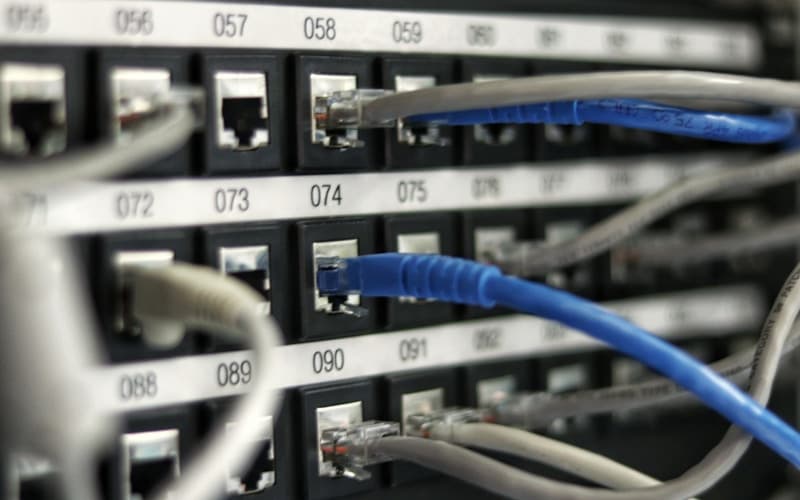
**Structured cabling** uses physical cables (copper or fiber) to connect devices to your network. It involves installing cables through walls, ceilings, and floors, with patch panels and switches managing the connections. This approach creates a dedicated, high-performance network foundation.
**Wireless networking** uses radio waves (Wi-Fi) to connect devices without physical cables. Access points broadcast signals that devices connect to, creating a network without physical infrastructure. This approach offers flexibility and mobility for modern workplaces.
Structured Cabling: Advantages and Disadvantages
Advantages
- **Speed**: Wired connections consistently deliver higher speeds ranging from 1 to 10 Gbps, supporting bandwidth-intensive applications.
- **Reliability**: Not affected by interference from walls, devices, or other networks, ensuring consistent connectivity.
- **Security**: Much harder to intercept than wireless signals, making it ideal for sensitive data.
- **Latency**: Lower latency for real-time applications like video calls and VoIP communications.
- **Bandwidth**: Dedicated bandwidth per connection with no sharing among users.
- **Longevity**: Infrastructure lasts 15 to 20 years with proper maintenance, providing excellent return on investment.
Disadvantages
- **Installation cost**: Higher upfront investment for cable runs, especially in larger buildings.
- **Rigidity**: Less flexible for reconfiguring office layouts or moving workstations.
- **Installation time**: Takes longer to install, especially in existing buildings with complex layouts.
- **Aesthetics**: Cables can be visible unless properly managed with trays and conduits.
Wireless Networking: Advantages and Disadvantages
Advantages
- **Flexibility**: Easy to connect devices anywhere within range of access points.
- **Lower upfront cost**: No cable installation required, reducing initial investment.
- **Mobility**: Devices can move freely while staying connected throughout the office.
- **Quick setup**: Can be operational in hours rather than days, minimizing disruption.
Disadvantages
- **Speed limitations**: Typically slower than wired connections, especially at distance.
- **Interference**: Walls, furniture, and other devices can degrade performance significantly.
- **Security risks**: More vulnerable to eavesdropping and unauthorized access without proper configuration.
- **Bandwidth sharing**: All users share the available bandwidth, potentially causing congestion.
- **Range limitations**: May need multiple access points for larger spaces to ensure coverage.
Cost Comparison for Kampala Offices
Understanding the cost differences helps you make informed budget decisions:
| Factor | Structured Cabling | Wireless | |---|---|---| | Initial setup (per office) | UGX 2 to 5 million | UGX 500K to 1.5 million | | Annual maintenance | UGX 200 to 500K | UGX 300 to 600K | | Cost per workstation | UGX 150 to 300K | UGX 50 to 100K | | Lifespan | 15 to 20 years | 3 to 5 years | | Speed | 1 to 10 Gbps | 100 to 3000 Mbps |
The Hybrid Approach: Best of Both Worlds
Most modern offices in Kampala benefit from a hybrid approach that combines the strengths of both technologies:
- **Structured cabling for backbone**: Connect servers, switches, and access points with cables for maximum reliability.
- **Wireless for mobility**: Provide Wi-Fi for laptops, phones, and tablets that need to move around the office.
- **Cable for fixed devices**: Connect desktops, printers, and VoIP phones with cable for consistent performance.
This approach gives you the reliability and speed of wired connections where it matters most, while maintaining the flexibility of wireless for mobile devices. The hybrid model is increasingly popular among Kampala businesses seeking optimal performance and cost efficiency.

When to Choose Structured Cabling
Choose structured cabling if your business meets any of the following criteria:
- You have a high volume of data transfer between servers, workstations, and cloud services.
- You run real-time applications such as video conferencing, VoIP systems, or cloud-based software.
- Security is a top priority due to sensitive data or regulatory requirements.
- You need consistent, high-speed connectivity throughout your office.
- You plan to stay in the same location for five or more years.
When to Choose Wireless
Choose wireless if your situation includes the following factors:
- Your office has mostly mobile devices like laptops, tablets, and smartphones.
- You frequently reconfigure your office layout or move workstations.
- You have a tight budget that cannot support structured cabling upfront costs.
- Your data transfer needs are minimal and do not require high bandwidth.
- You need temporary or seasonal connectivity for short-term projects.
The Verdict for Kampala Businesses
For most businesses in Kampala, the hybrid approach is the recommended solution. Use structured cabling for your core infrastructure and wireless for mobile devices. This provides the reliability and performance your business needs while maintaining flexibility for growth.
The key is to assess your specific needs, budget, and growth plans before making a decision. Many businesses start with wireless and add structured cabling as their needs evolve and budget allows.
Backspace Business Solutions can design and install a hybrid network that balances performance, cost, and flexibility for your specific business needs. Contact us to discuss your network infrastructure requirements.